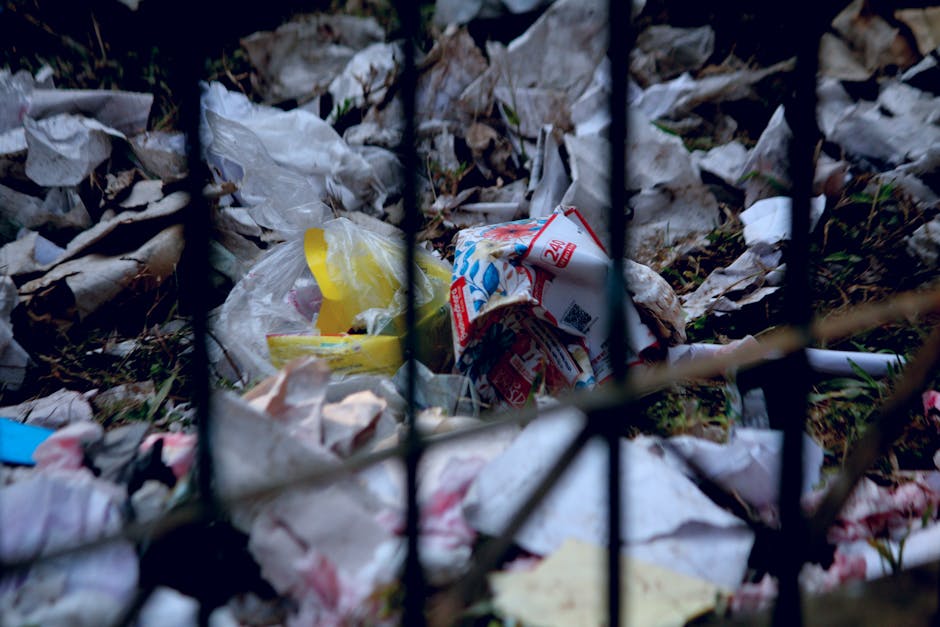
Removals waste disposal rules in Haringey avoid fines

If you are moving home or clearing a property, the waste side of the job can get messy fast. Boxes, broken furniture, old mattresses, paint tins, flat-pack offcuts, carpets, and the odd "I forgot we owned this" cupboard item all pile up at once. That is exactly where Removals waste disposal rules in Haringey avoid fines becomes more than a phrase - it becomes a very practical way to keep your move legal, tidy, and less stressful.
In Haringey, waste from removals has to be handled carefully. Put it out the wrong way, leave it on the street, hand it to the wrong carrier, or dump it with a company that cannot prove disposal, and you could end up with avoidable trouble. The good news? A few simple habits make a huge difference. This guide walks through what the rules mean in real life, how to stay compliant, and how to plan your move so you are not dealing with surprise fines on top of everything else.
We will cover the practical side: what counts as removal waste, how collection and disposal usually work, what to ask a removals provider, and the small mistakes that trip people up. There is a bit of local realism here too, because let's face it, a move in London is rarely calm from start to finish.
- Why it matters
- How it works
- Key benefits
- Who this is for
- Step-by-step guidance
- Expert tips
- Common mistakes
- Tools and resources
- Law and best practice
- Options and comparison
- Real-world example
- Checklist
- Conclusion
- Frequently asked questions
Why Removals waste disposal rules in Haringey avoid fines Matters
Waste during a move is not just "stuff to get rid of". Once items leave your home or office, they need to be stored, sorted, transported, and disposed of responsibly. If you do not take care over that process, the fallout can be more than inconvenient. It can be expensive, and in some cases legally awkward too.
The main risk is simple: if waste is fly-tipped, placed on the pavement without permission, or handed to an unlicensed or careless operator, responsibility may come back to you. That is why people search for Removals waste disposal rules in Haringey avoid fines in the first place. They want to know how to move without accidentally creating a council problem.
There is also the practical angle. A removal day already brings noise, doors left open, stairs, dust, and the usual last-minute panic over a missing kettle. If the waste side is not planned properly, the move feels twice as chaotic. A clear disposal plan keeps the property safer, the route clearer, and your schedule more predictable.
Expert summary: In most removal jobs, the safest approach is to separate keep, donate, recycle, and dispose piles before the van arrives. It sounds obvious, but in real life this one habit saves time, reduces handling errors, and lowers the chance of paying for the wrong bin, the wrong collection, or a needless fine.
If you are moving a household, it may help to review broader moving support on home moves or house removals before the day arrives. For smaller loads, man and van or man with van services may be enough, but the waste rules still apply.
How Removals waste disposal rules in Haringey avoid fines Works
The phrase sounds formal, but the process is straightforward. You identify what is waste, decide what can be reused or recycled, and make sure whatever is left is handled by a legitimate route. In practice, that means understanding a few basic categories.
Typical removal waste categories:
- Reusable items - furniture, appliances, books, decor, tools, and household goods that still have life left in them.
- Recyclable materials - cardboard, paper, certain plastics, metals, and some wood.
- Bulky waste - mattresses, wardrobes, sofas, desks, filing cabinets, and similar large items.
- Special care items - paint, cleaning chemicals, batteries, fluorescent tubes, and anything that needs separate handling.
- Mixed demolition or strip-out waste - old flooring, plasterboard, broken fittings, and renovation debris.
In a normal move, the easiest part to get wrong is the "mixed" bit. A box full of random leftovers can look harmless, but once the load is mixed, disposal becomes more complicated. That is where planning matters. A moving team that understands sorting and load separation can make life much easier, especially if you are already juggling keys, deposits, and utility handovers.
For a lot of customers, it makes sense to work with a provider that offers structured moving support, such as removal services or a removal company with proper waste-handling processes. If you need extra handling for larger household items, furniture pick up can also be useful when the goal is to clear space responsibly rather than just dump everything quickly.
A key detail people often miss is documentation. Even if you are not dealing with mountains of waste, it is wise to keep records of who collected what, where it went, and whether disposal was included in the job. That paper trail can matter if anyone later questions how the waste was managed.
Key Benefits and Practical Advantages
Staying on top of removal waste rules is not only about avoiding fines. It also makes the whole move smoother. The benefits show up in places people do not always expect.
- Lower risk of penalties - clear sorting and lawful disposal reduce the chance of being blamed for waste problems.
- Less clutter on moving day - fewer obstructions mean faster loading and safer access.
- Better recycling outcomes - salvageable materials are more likely to be reused or recycled properly.
- Reduced stress - you know what is leaving, what is staying, and what needs a special route.
- Cleaner property handover - especially helpful for landlords, tenants, and office managers.
- More accurate pricing - the more clearly waste is identified, the less likely you are to get a surprise add-on.
There is another upside too: reputational trust. If you are moving a business, or even just a shared flat with a lot of communal stuff, people notice when the job is handled properly. A clean, organised disposal plan says, quietly, that the work was done properly. Not flashy, just solid.
If your move includes office equipment, archive clearance, or a commercial shutdown, you may also want to look at commercial moves or office removals. Offices generate a different kind of waste: monitors, cables, chairs, packaging, and a surprising number of drawers full of charger leads nobody recognises.
Who This Is For and When It Makes Sense
This topic is relevant to more people than you might think. If you are moving, clearing, downsizing, refurbishing, or managing a property in Haringey, these rules matter to you.
It is especially useful for:
- homeowners clearing unwanted items before a move
- tenants trying to avoid deposit issues from leftover waste
- landlords arranging end-of-tenancy clearances
- small businesses moving offices or closing a site
- families dealing with bulky furniture and old appliances
- anyone hiring a van, removal team, or disposal service
It also makes sense when the move is rushed. Rushed moves create the most mistakes. You start with a simple plan, then suddenly there is a broken wardrobe, three bags of old clothes, and a bag of unknown cables. Classic.
If you are searching for a practical local setup, services like removals, man and van removals, or movers can be a good fit depending on the volume. Bigger loads may call for a moving van or removal van, especially if you have bulky waste to separate from the main load.
Step-by-Step Guidance
Here is a simple process you can follow before, during, and after the move. Nothing fancy, just practical steps that reduce risk.
- Sort everything into clear groups. Keep, donate, recycle, dispose, and "not sure yet". The last group should be tiny if you do this properly.
- Identify any special items. Paint, chemicals, batteries, and electrical items often need separate handling or specific collection methods.
- Check what your removals provider will take. Do not assume waste clearance is included. Ask exactly what is covered and what is not.
- Ask how the waste will be handled. A professional operator should be able to explain the disposal route in plain English.
- Keep the paperwork. Save quotes, receipts, and any message confirming what was removed.
- Label items clearly on the day. Use simple notes like recycle, dispose, or leave. A bit of masking tape works fine.
- Leave access clear. Hallways and doorways should stay safe. You do not want a bin bag balanced awkwardly near a front step.
- Do a final walk-through. Check cupboards, loft spaces, sheds, and behind doors. People always miss one thing. Always.
For some customers, the best route is to combine moving and packing support so nothing gets mixed up. Packing and unpacking services can help reduce the odds of throwing away something important by mistake. It sounds obvious, but when you are halfway through a move, obvious things are the first to go missing.
Expert Tips for Better Results
A few small habits can make a big difference. These are the kinds of details that are easy to skip when you are tired, but they really help.
- Start decluttering at least a few days early. The later you leave it, the more likely you are to bin something useful or overpay for extra load handling.
- Keep one "do not dispose" zone. Put passports, keys, chargers, contracts, and valuables in one separate place. Not glamorous, just smart.
- Photograph bulky items before collection. This can be useful if there is any dispute about condition or what was taken.
- Separate wood, cardboard, textiles, and metal where possible. Even rough sorting helps with recycling.
- Use protective wraps for anything greasy or dusty. Old furniture and loft items can shed grime everywhere. No one enjoys that surprise.
- Confirm parking and access early. If the vehicle cannot stop close enough, items may be left waiting on the pavement, which is exactly the kind of thing you want to avoid.
One practical London-specific insight: access is often the hidden problem. Tight streets, timed bays, shared entrances, basement flats, and loading restrictions can turn a tidy disposal plan into a scramble. If the van can park close, everything gets simpler. If not, the day gets longer. Much longer.
You can also choose a provider that is upfront about handling standards. Pages like health and safety policy, insurance and safety, and recycling and sustainability can help you understand how a company approaches risk, waste, and environmental responsibility before you book.
Common Mistakes to Avoid
This is where people most often get caught out. The mistakes are usually not dramatic. They are small, ordinary, forgettable things. Which is exactly why they happen.
- Leaving waste on the street "just for a minute". That minute can turn into a complaint, and then a penalty risk.
- Assuming a mover will take everything. Some providers move items only; others offer disposal support; some do both, but only for agreed waste.
- Mixing recycling with general rubbish. Once materials are blended, more of the load may be treated as general waste.
- Handing waste to someone without checking credibility. If they cannot explain where the waste goes, that is a red flag.
- Forgetting bulky items in cupboards, sheds, or storage cages. These are the classic "we'll deal with it later" items. Later arrives fast.
- Not checking for electrical or hazardous contents. Old paint, aerosols, batteries, and cleaning fluids need extra care.
It is also worth avoiding vague instructions like "take the junk". Be specific. Say what is going, what is staying, and what must be left alone. A one-minute label check can save a whole afternoon of confusion. We have seen people spend longer untangling instructions than loading the van, honestly.
Tools, Resources and Recommendations
You do not need complicated software or specialist systems to get this right. The most useful tools are usually the simplest ones.
| Tool or method | What it helps with | Best for |
|---|---|---|
| Colour-coded labels | Fast sorting on moving day | Home moves, office moves, mixed loads |
| Room-by-room checklists | Preventing forgotten waste in cupboards, lofts, and sheds | Busy households and larger properties |
| Photo inventory | Tracking what is being removed | High-value or disputed items |
| Separate bags or boxes | Keeping recycling distinct from general waste | Decluttering and pre-move clearouts |
| Written job notes | Clear agreement on disposal scope | Removals, clearances, and business moves |
For transport, choose the vehicle size that matches your load rather than guessing. A smaller job may suit a man with a van, while a more substantial move may need removal truck hire or a larger moving truck. The right vehicle helps reduce repeated trips, which is good for time, cost, and emissions too.
It can also be sensible to check service policies before booking. A clear terms and conditions page should explain what happens with waste, damage, access issues, and cancellations. That is the sort of detail people skip right up until they need it.
Law, Compliance, Standards, or Best Practice
When people talk about waste rules, they usually mean a mix of legal duties and sensible operating practice. You do not need to become a compliance specialist, but you do need to avoid casual disposal habits that create risk.
In general, the safest approach is to use a waste route that is traceable, lawful, and appropriate for the material type. That usually means:
- not leaving rubbish where it can be treated as fly-tipping
- making sure waste is not given to an unknown or unsuitable carrier
- keeping evidence of collection or disposal where possible
- handling hazardous or awkward items separately
- following site access, parking, and loading rules
Best practice in removals is to treat waste as a managed part of the move, not an afterthought. That sounds a bit dry, but it is the truth. The people who avoid problems usually do one thing consistently: they plan waste before the van arrives, not after the last box is on the pavement.
If you are dealing with a business move, this matters even more. Offices often have data-bearing equipment, confidential paper, mixed recyclables, and old furniture all in one job. In that setting, office relocation services and structured planning are more than convenient; they help reduce avoidable compliance headaches.
Options, Methods, or Comparison Table
There are several ways to deal with removal waste in Haringey. The right choice depends on volume, item type, urgency, and how much sorting you want to do yourself.
| Method | Best for | Pros | Watch-outs |
|---|---|---|---|
| Self-sorting and disposal | Small clearouts | Cheapest if you have time; full control | Takes effort; easy to make a sorting mistake |
| Removal company with disposal support | Typical home or office moves | Convenient; fewer handling steps; smoother on the day | Need to confirm what is included |
| Furniture or bulky item collection | Single large items | Good for sofas, beds, wardrobes, and desks | Not suitable for everything, especially mixed waste |
| Van-based clearance and removals | Mixed small-to-medium jobs | Flexible; efficient for awkward loads | Need clear instructions and access planning |
If you are unsure which route fits, the balance point is usually volume. One sofa and a few boxes are a different story from a full flat clear-out. A small job can be handled very neatly with removals van support. Bigger or more awkward loads may be better suited to a full removal company.
Case Study or Real-World Example
A fairly typical Haringey move might look like this. A couple are leaving a two-bedroom flat and have the usual clutter built up over years: a broken bedside table, two old office chairs, cardboard from recent deliveries, a mattress, and a box of mixed cables. Nothing extreme, but enough to cause delay if left for the last minute.
They start by separating items a few days before the move. Cardboard goes in one pile, furniture in another, and anything questionable is checked before it gets labelled. They book a removals team and make sure the provider understands which items are going and which are staying. They also keep one bag aside for batteries and small electrical bits that need separate handling.
On the day, the loading is faster because the waste is already sorted. Nothing is dumped in the stairwell. Nothing is left outside while somebody "runs back for the keys". The property is handed over cleanly, and there is no awkward conversation later about abandoned rubbish. Nice and boring, which is exactly what you want.
For a business version of the same scenario, think of a small office clearing desks, chairs, archive boxes, and old monitors. If that job is split clearly between moving items and disposal items, the space can be cleared with far less confusion. That is one reason firms often compare removal services against more specialised office support before booking.
Practical Checklist
Use this before your move or clearance. Simple, but effective.
- Sort items into keep, donate, recycle, and dispose.
- Set aside batteries, paint, chemicals, and other special items.
- Confirm what your removal provider will and will not take.
- Ask how disposal is handled and whether records are provided.
- Label waste clearly so nothing gets mixed by accident.
- Check lofts, cupboards, sheds, under beds, and storage spaces.
- Keep access routes clear for loading.
- Take photos of bulky or valuable items before collection.
- Save quotes, receipts, and messages about disposal arrangements.
- Do a final walk-through before leaving the property.
Small but important reminder: the cheapest quote is not always the safest option if it does not clearly cover waste handling. A couple of extra minutes checking can save a lot of hassle later.
Get a free quote today and see how much you can save.
Conclusion
Removals waste disposal rules in Haringey avoid fines is really about a simple idea: do not leave waste handling to chance. Sort early, ask clear questions, keep evidence, and make sure anything removed from the property follows a lawful route. That approach protects you from avoidable trouble and makes the move feel much more under control.
Whether you are clearing one room or an entire property, the same principles apply. Keep waste separate, be specific with instructions, and choose a provider that treats disposal as part of the job, not an afterthought. In the end, that is what turns a hectic moving day into a manageable one.
And if the whole thing feels a bit much, that is normal. Moving is one of those jobs that looks simple until you are in the middle of it. Take it step by step, keep the waste plan tidy, and you will be fine.
Frequently Asked Questions
What are removals waste disposal rules in Haringey avoid fines trying to prevent?
They are there to stop waste being dumped incorrectly, left in the wrong place, or handed to an unsuitable carrier. In practice, they help you manage removal rubbish safely and lawfully.
Do removals companies always include waste disposal?
No, not always. Some handle it as part of the service, some offer it as an add-on, and some only move items. Always check before booking so there are no surprises on the day.
Can I leave removal waste on the pavement for collection?
Not unless the collection is arranged and permitted. Leaving items outside without proper collection can create enforcement problems and increase the risk of a fine.
What kinds of items need special disposal during a move?
Batteries, paint, aerosols, cleaning chemicals, electrical equipment, and some bulky items need extra care. If in doubt, separate them and ask how they should be handled.
How do I avoid being blamed for fly-tipping?
Use a reputable provider, keep records of what was collected, and make sure waste is not abandoned anywhere. Clear communication and paperwork go a long way here.
Is it better to sort waste before the removals team arrives?
Yes. Pre-sorting saves time, reduces handling mistakes, and makes it easier to separate recyclable materials from general waste. It also keeps the loading process calmer.
What if I only have one or two bulky items?
For a few large items, a targeted collection may be enough. If the job is small, a furniture pick up or a smaller van-based service may be more practical.
Do office moves have different waste risks from home moves?
Usually, yes. Offices often contain mixed materials, electronics, and confidential paperwork. That means planning, separation, and secure handling become even more important.
How can I check if a provider is a good fit for waste handling?
Look for clear service descriptions, sensible terms, and straightforward communication. If a provider can explain how waste is separated and disposed of, that is usually a good sign.
What is the most common mistake people make before a move?
Leaving sorting until the last minute. Once you are under time pressure, things get mixed, labels get ignored, and waste becomes harder to manage properly. It happens all the time.
Should I keep proof of disposal?
Yes, if you can. Receipts, notes, photos, and written confirmations are useful if there is ever a question about what happened to the waste.
Where can I find more information about service standards and policies?
It helps to review pages such as about us, health and safety policy, insurance and safety, and recycling and sustainability so you know how a provider approaches responsibility and customer care.