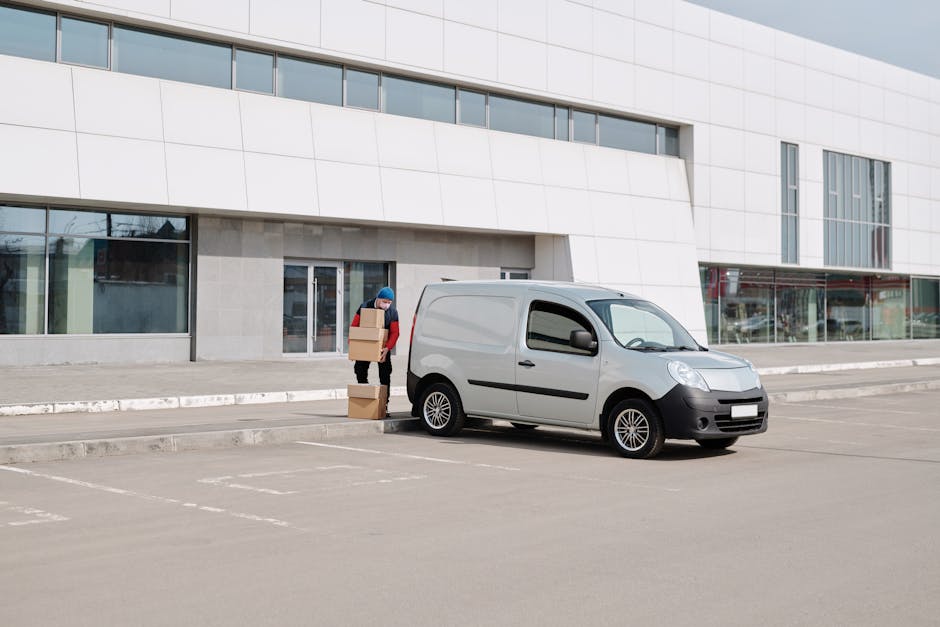
Haringey council permit rules for removals and parking: a practical guide for smoother moves
If you are moving home or office in Haringey, the parking side of the job can be the bit that quietly causes the biggest headache. Haringey council permit rules for removals and parking affect where the van can stop, how long it can stay, and whether you need to arrange permission in advance. Miss that step and a simple move can turn into a late start, a penalty, or a crew standing around while you try to sort it out. Nobody wants that on moving day.
This guide breaks the process down in plain English. You will learn why the rules matter, how parking permissions usually work, what to prepare before the move, and how to avoid the common mistakes that catch people out. I will also show where a well-planned removal service can make life easier, especially if you are using man and van support, booking house removals, or arranging a bigger move with a removal truck hire option.
Expert summary: In Haringey, good move-day parking is less about luck and more about planning. Check restrictions early, allow time for loading, and make sure the vehicle can legally stop close enough to the property to keep the move efficient and safe.
Table of Contents
- Why Haringey council permit rules for removals and parking Matters
- How Haringey council permit rules for removals and parking Works
- Key Benefits and Practical Advantages
- Who This Is For and When It Makes Sense
- Step-by-Step Guidance
- Expert Tips for Better Results
- Common Mistakes to Avoid
- Tools, Resources and Recommendations
- Law, Compliance, Standards, or Best Practice
- Options, Methods, or Comparison Table
- Case Study or Real-World Example
- Practical Checklist
- Conclusion
- Frequently Asked Questions
Why Haringey council permit rules for removals and parking Matters
Parking for removals is not just an admin detail. It shapes the whole move. A van that cannot stop near the entrance means more carrying distance, more time, and more chance of damage. On a rainy London morning, that extra distance matters even more. Boxes get heavier, floors get slippier, and tempers can rise a bit faster than anyone would like.
In practical terms, Haringey council permit rules for removals and parking matter because they help determine whether your vehicle can wait in a restricted bay, use a controlled parking zone, or stop where loading is normally allowed. Even when a move is small, parking may still be the limiting factor. A flat on a busy road, a house on a narrow terrace street, or an office near local traffic filters can all create issues you would not spot until the van arrives.
There is also a trust angle. If you book professional help, you want the team to arrive prepared, not improvising at the kerb. That is especially true for services like flat removals, student removals, or office removals, where timing and access can be tight. A permit decision made early can save a lot of friction later.
And let's face it, moving day already has enough moving parts. You do not need parking to become the surprise villain.
How Haringey council permit rules for removals and parking Works
The basic idea is simple: if a vehicle needs to stop in a place that is normally restricted, you may need permission, an exemption, or a permit of some kind. The exact position depends on the road, the property, the vehicle, and the council's current rules. Because these rules can change and local streets vary so much, it is wise to verify the situation before the move rather than assume the same parking will work as usual.
For removals, there are usually a few common scenarios:
- Private driveway or forecourt: Often the easiest option, if the vehicle fits and turning space is safe.
- Resident bay or permit bay: May require the correct parking permission or an arrangement that allows loading.
- Single yellow or double yellow lines: Sometimes loading may be allowed for a limited time, but that depends on the location and local restrictions.
- Controlled parking zone: Time windows and loading rules can differ by street, so you cannot assume one road follows another.
If your removal involves a larger vehicle, the situation becomes even more important. A bigger van or lorry may need more room to park safely, and a loading bay can be much easier than trying to squeeze into an awkward gap. For that reason, many customers planning a larger relocation look at moving truck support or a service that can advise on access in advance.
In our experience, the biggest misunderstanding is thinking that "just unloading quickly" solves everything. Sometimes it does, sometimes it does not. The answer depends on where you are stopping and how the restrictions are signed. That is why checking the exact street matters more than relying on general memory from another part of Haringey.
What a permit or parking arrangement may need to cover
- The date and time of the move
- The vehicle size and registration details
- The location or street name
- Whether the stop is for loading only
- How long the vehicle needs to remain parked
It is worth saying plainly: do not leave parking until the morning of the move. That is the moment when everything feels more urgent than it should be, and the smallest issue becomes a scramble.
Key Benefits and Practical Advantages
Getting the parking side right brings benefits that are easy to underestimate until you experience the alternative.
- Faster loading and unloading: The nearer the van can get, the fewer trips people need to make.
- Lower risk of damage: Less carrying distance means fewer bumps, knocks, and dropped boxes.
- Less disruption to neighbours and traffic: A planned stop is usually smoother than a hurried one.
- Better crew efficiency: Removal teams can work steadily rather than waiting on a parking workaround.
- Reduced stress: You know where the vehicle is going to be, which is oddly comforting on a chaotic day.
There is also a commercial benefit. If you are comparing providers, a company that talks clearly about access, parking, and local moving conditions usually has more practical experience. That matters for removal services, removal companies, and more specialised jobs such as piano removals, where a few extra metres can make a real difference.
A well-managed parking plan can also help if you are trying to move in a single day. For tight schedules, same day removals work best when access is clear and the vehicle can keep moving without repeated interruptions. That part sounds obvious, but honestly, it is the bit people forget when the kettle is already packed and the Wi-Fi is about to be cut off.
Who This Is For and When It Makes Sense
This topic matters to almost anyone moving in or out of Haringey, but some people need to think about it more carefully than others.
- Home movers: Especially if you live on a busy street, in a terrace row, or in a block with shared access.
- Flat movers: Apartments often mean limited stopping space, narrow entrances, or time-sensitive loading.
- Students: Student moves often happen fast, with less planning time and more roadside loading.
- Office relocations: Business moves may need early-morning access, which can still sit within parking restrictions.
- Furniture collection and disposal jobs: These often need a short stop, but the street layout can still create problems.
If you are moving from a building with concierge access, shared courtyards, or a limited loading window, parking becomes part of the move plan, not an afterthought. The same goes if you are arranging home moves with lots of boxes, or if you need office relocation services and cannot afford staff waiting around the pavement with monitors and crate tubs.
Truth be told, some moves look simple from the inside and awkward from the street. The outside view is what matters here.
Step-by-Step Guidance
Here is a sensible way to handle Haringey council permit rules for removals and parking without overcomplicating it.
- Check the exact street and timing.
Look at where the vehicle will need to stop and whether the move falls inside restricted hours. Different streets can have different loading rules, and assumptions are expensive. - Identify the vehicle type.
A small van, a larger removal van, and a truck may all be treated differently in practice. If you are using removal van support, make sure the parking space is realistic for that size. - Confirm loading access at both ends.
It is easy to focus on the old address and forget the new one. Both matter. A smooth move out can still turn messy if the destination has no stopping space. - Build in a time buffer.
Even if the parking arrangement seems fine, add breathing room. A delayed lift, a neighbour's car, or a slow lift can eat time quickly. - Prepare signage and communication.
If the move is large or the street is busy, clear communication with the crew helps. Keep phone numbers handy and tell everyone which entrance or bay to use. - Review the plan the day before.
This sounds basic, but it catches last-minute issues. A quick review can prevent a lot of stress the next morning.
If you are booking packing help too, make the parking plan part of the wider move plan. Services such as packing and boxes or packing and unpacking services work best when the team knows exactly how close they can get to the property.
Expert Tips for Better Results
Here are the small things that tend to make the biggest difference.
- Measure the distance from vehicle to door. Ten metres sounds tiny until you are carrying a washing basket full of kitchen stuff.
- Think about corners and turns. A vehicle may fit on paper but be awkward in real life if the street is narrow or there is a sharp angle nearby.
- Plan for neighbour parking patterns. In many London streets, parking availability changes by the hour. If you know the local rhythm, you can avoid the worst times.
- Keep essentials separate. If parking becomes a short delay, you will still want documents, keys, chargers, and basic toiletries accessible.
- Ask about access before booking. A good mover will want to know about lifts, stairs, road width, and loading space. That is not fussiness; it is professionalism.
A neat trick, if you can do it, is to arrive early enough to assess the street on foot before the van reaches the property. You can spot suspended bays, roadworks, or an awkward parked car long before the truck noses into the road. Tiny detail, big payoff.
Also, if you are moving valuable or awkward items, such as antiques or a keyboard, parking near the entrance makes the whole process calmer. That is one reason many customers prefer specialist support like furniture removals or house removalists when there is a lot to coordinate.
Common Mistakes to Avoid
The mistakes are usually predictable. That is the annoying thing about them.
- Leaving parking to the last minute. By then, the best space has gone and everyone is tense.
- Assuming loading is always allowed. It may be allowed in some places, under some conditions, for some durations. That is not the same as "anywhere, anytime."
- Forgetting the destination. A perfect collection point means very little if the new property cannot accept the van.
- Using the wrong vehicle size. A bigger vehicle may seem efficient, but if the road is tight it can slow everything down.
- Not telling the mover about restrictions. If the crew discovers the parking issue on arrival, everyone loses time.
- Ignoring time limits. A short loading window can be fine if the move is well packed. If not, it becomes a rush.
One more thing. Do not assume that because a neighbour once parked on a yellow line for a sofa delivery, the same will automatically work for your move. Streets are not that tidy, and rules do not always behave the way memory says they should.
Tools, Resources and Recommendations
You do not need a fancy toolkit to manage parking properly, but a few practical items help a lot.
- Printed moving plan: A simple sheet with addresses, times, and contact details.
- Phone notes: Keep vehicle details, crew numbers, and any access instructions in one place.
- Boxes labelled by room: Faster unloading means less time the vehicle needs to remain parked.
- Protective materials: Helps keep items secure if the loading area is a bit further from the entrance.
- Short checklist for both addresses: Useful when the day gets noisy and everyone is asking different questions.
If you want to keep the move tidy from start to finish, it can help to combine parking planning with service planning. For example, if you are moving a few rooms, man with a van support may be enough. If it is a larger property or a business move, commercial moves and office removals usually need more careful access checks.
Storage can also play a role. If access at one end is complicated, moving part of the load into storage can remove pressure from the day and reduce how long a vehicle must stay on site. Not glamorous, but useful. Very useful.
Law, Compliance, Standards, or Best Practice
Parking and removals sit in a practical space where local parking rules, road signs, and good operational planning all meet. The safest approach is to treat the street signs and local conditions as the source of truth, and to avoid guessing based on what "usually works". In the UK, parking restrictions are enforced locally, and removal crews are expected to park legally unless a clear loading exemption or permission applies.
Best practice for movers is straightforward:
- check restrictions before arrival
- avoid blocking access, driveways, or emergency routes
- keep loading stops as short and controlled as possible
- make sure the vehicle is positioned safely for staff and pedestrians
- communicate clearly with the customer about access constraints
From a customer perspective, the same applies. If you know the building has a concierge rule, a narrow frontage, or a time-limited loading bay, mention it early. That is not overdoing it. It is good planning.
For movers operating professionally, insurance and safety matter too. If a parking decision affects how items are carried or how close the vehicle can get, the load handling plan should match the space available. You can review the company's approach to insurance and safety and its health and safety policy to better understand how it handles risk and care on move day.
Options, Methods, or Comparison Table
There is no one-size-fits-all answer for parking on moving day. The best method depends on the property, the road, and the size of the vehicle.
| Parking method | Best for | Pros | Watch-outs |
|---|---|---|---|
| Private driveway or forecourt | Houses with space | Fast, simple, minimal disruption | May not fit larger vans or allow turning |
| Loading bay | Busy streets and timed moves | Close access, usually efficient | May need advance planning and time limits |
| Controlled parking space | Short urban moves | Useful when other space is limited | Must confirm rules carefully |
| Alternative street parking | Fallback option only | Sometimes available nearby | Adds carrying distance and can slow the move |
For smaller local jobs, man with van support can be efficient if the parking is straightforward. For bigger moves, a larger vehicle such as a moving truck may be the better tool, but only if the route and parking space suit it. Bigger is not automatically better. Sometimes it is just bigger.
Case Study or Real-World Example
Picture a typical Saturday move from a two-bedroom flat in Haringey. The property is on a residential street with limited kerb space and a few cars already parked outside. The move itself is not huge: a sofa, beds, boxes, a dining table, and a few awkward bits. On paper, the loading window looks manageable.
Now add the real-life stuff. One neighbour's car is parked a little too close to the entrance. The lift is busy. A rain shower starts around 9:30. The boxes that looked light in the hallway now feel heavier at the kerb. If the van cannot stop close enough, the whole day slows down.
In that situation, the best outcome comes from preparation. The customer tells the mover about the street layout in advance. The vehicle arrives with a realistic plan. The crew knows which items are priority load, and the parking arrangement is checked before the first box is moved. The result is not magical. It is just calm, sensible organisation. And calm is underrated on moving day.
That kind of planning is especially helpful for house removals, where several rooms of belongings need to move in an orderly sequence, and for specialist items like upright instruments through piano removals, where access and parking really cannot be left to chance.
Practical Checklist
Use this checklist before your move day. It is simple, but it catches the important things.
- Confirm the moving date and arrival time
- Check whether the street has loading restrictions or time limits
- Review parking rules at both the pickup and delivery addresses
- Confirm the size of the van or truck
- Make sure the mover knows about stairs, lifts, or narrow access
- Keep keys, documents, and essentials separate
- Label boxes to reduce unload time
- Prepare for weather, especially rain
- Leave a little buffer time for delays
- Double-check the plan the day before
If you are also handling belongings you do not want on the van immediately, furniture pick up or storage planning can help reduce pressure. That can be especially useful during bigger transitions, like a family move or an office closure where timing is a bit messy.
Quick takeaway: good parking planning turns a move from reactive to controlled. That alone can save time, energy, and a surprising amount of worry.
Get a free quote today and see how much you can save.
Conclusion
Haringey council permit rules for removals and parking are not the most exciting part of moving, but they are one of the most useful things to get right. When parking is sorted, the rest of the day tends to breathe a little easier. The van gets closer to the door, loading flows better, and the whole move feels less like a scramble.
Whether you are moving a small flat, a family home, or a workplace, the principle is the same: check the street, plan the stop, and make sure the vehicle fits the job. That small bit of foresight can make a very ordinary move feel strangely smooth. Which, to be fair, is exactly what most people want.
And if you are still in the planning stage, take it one step at a time. A clear parking plan is a good start, and a calmer move usually follows from there. That is the bit worth aiming for.
Frequently Asked Questions
Do I need permission to park a removals van in Haringey?
It depends on the street, the type of restriction, the vehicle, and how long it needs to stop. Some locations allow loading under certain conditions, while others may need a permit or different arrangement. Always check the exact address, not just the neighbourhood.
Can a removal van stop on yellow lines while loading?
Sometimes loading may be allowed in certain circumstances, but it is not automatic and can vary by street and time. The safest approach is to check the road signs and local restrictions before assuming you can stop there.
What happens if I do not arrange parking properly for my move?
You may face delays, extra carrying distance, more stress, and possibly a penalty if the vehicle is parked incorrectly. It can also make the move less safe and less efficient. A little planning usually avoids a lot of hassle.
How far in advance should I check parking rules?
Ideally as soon as the move date is confirmed. If you leave it until the day before, you have less time to respond if the street has limited access or if a larger vehicle is needed.
Are larger moving trucks harder to park in Haringey?
Usually yes, because they need more space and more care when positioning near kerbs, corners, or narrow roads. A larger truck can be efficient, but only if the route and parking space actually suit it.
What is the difference between loading and parking?
Parking usually means leaving a vehicle stationary under normal parking rules. Loading is a short stop for moving goods in or out, and may be treated differently depending on local restrictions. That distinction matters more than people expect.
Should I tell the removal company about street restrictions?
Absolutely. The earlier you mention narrow roads, permit bays, time-limited loading, or awkward access, the easier it is for the crew to plan. Good movers appreciate clear information; it helps them do a better job.
What if there is no space outside my property?
Then the move may need a fallback plan, such as a nearby legal stop, a different vehicle size, or a longer carry route. That is not unusual in London, but it should be planned rather than improvised.
Does a flat move need more parking planning than a house move?
Often, yes. Flats can involve lifts, shared entrances, and tighter roadside access. House moves can still be tricky, but flats often need more careful parking and timing because the loading point is less forgiving.
Can parking issues affect the price of a move?
They can affect the time required and, in some cases, the amount of labour needed. If the vehicle cannot stop close to the entrance, the move may take longer. That is why companies ask about access before quoting.
What should I prepare before move day to make parking easier?
Have the address details, move time, vehicle size, and any access notes ready. Clear away clutter near the entrance if you can, and label boxes so unloading is quicker. Small preparations help the parking plan work better.
Where can I learn more about a mover's approach to safety and service?
You can review pages such as about us, insurance and safety, and terms and conditions to understand how the company works and what standards it follows.