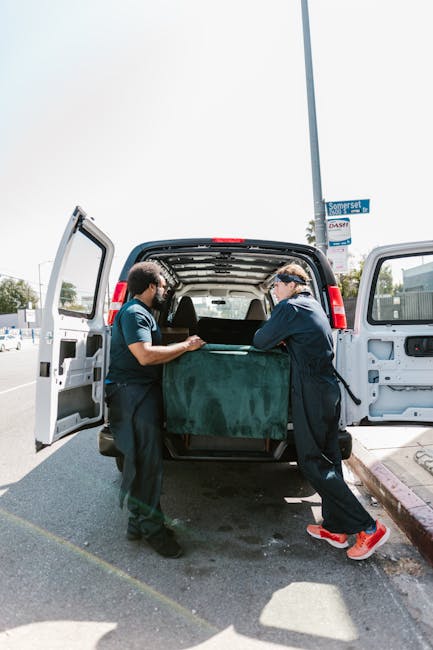
Estate move rules Tottenham council guidance for removals
If you are planning a move on an estate in Tottenham, the rules can feel oddly specific: where a van can stop, how long you can block a road, whether the lift can be used, and who needs to be told first. That is exactly why Estate move rules Tottenham council guidance for removals matters. A smooth move is rarely just about boxes and tape; it is about access, timing, neighbours, parking, and making sure you do not create a headache for yourself on the day.
This guide breaks the topic down in plain English. You will learn what estate move rules usually cover, how council guidance affects removals, what to check before moving day, and how to avoid the usual last-minute scrambles. If you are arranging help, it also explains how a careful man with van style service or a fuller removal services booking can fit around estate restrictions without making the whole process harder than it needs to be.
Table of Contents
- Why Estate move rules Tottenham council guidance for removals Matters
- How Estate move rules Tottenham council guidance for removals Works
- Key Benefits and Practical Advantages
- Who This Is For and When It Makes Sense
- Step-by-Step Guidance
- Expert Tips for Better Results
- Common Mistakes to Avoid
- Tools, Resources and Recommendations
- Law, Compliance, Standards, or Best Practice
- Options, Methods, or Comparison Table
- Case Study or Real-World Example
- Practical Checklist
- Conclusion
- Frequently Asked Questions
Why Estate move rules Tottenham council guidance for removals Matters
Estate moves are different from standard house moves. On a typical street, you may have more flexibility to load from the kerb. On an estate, the layout can be tighter, the rules more controlled, and the impact on residents much more noticeable. A van parked in the wrong bay or a removal truck left across a shared access route can quickly turn a simple job into an awkward one.
Tottenham estates often involve shared entrances, pedestrian paths, controlled parking, timed loading zones, or limited turning space. That means the practical side of moving becomes just as important as the packing. The council guidance, estate management rules, and any site-specific access instructions all influence how the move should happen. Ignore them and you may run into complaints, delays, or unnecessary stress. Nobody wants to be that person with a sofa stuck halfway out the door while everyone else is trying to get to work.
There is also a neighbourly side to it. Estate living is close quarters. Noise carries. Lift doors open and close. Vans reverse. People notice. When you follow the local guidance properly, the move feels calmer and more respectful, and that tends to make the whole day run better for everyone involved.
Expert summary: On estates, the biggest moving problems are usually access, timing, and communication - not the lifting itself. If you get those three things right, the rest becomes much easier.
How Estate move rules Tottenham council guidance for removals Works
At a practical level, estate move rules are a mix of location-specific instructions and wider moving best practice. Some rules come from the council, some from the housing association or estate management team, and some from the basic realities of the site itself. The move works best when you treat all of them as part of one plan.
In most cases, the process starts with checking whether the estate has designated parking, loading bays, time restrictions, or access gates. You may also need to confirm whether large vehicles are allowed on internal roads or whether only smaller vans can enter. For some blocks, lifts and corridors have booked time slots because multiple residents may be moving on the same day. It sounds a bit fussy, but there is a reason for it.
Here is the general flow:
- Review the estate's move rules and any council parking or access guidance that applies.
- Book the moving slot if the estate requires notice or permits advance scheduling.
- Check vehicle access for width, height, turning room, and loading position.
- Plan the lift and corridor use if you are moving from a flat or upper floor.
- Protect communal areas so walls, floors, and door frames stay intact.
- Coordinate with the removal team so arrival time, parking, and unload order all match the estate rules.
In a real move, this usually means the first van does not just arrive and hope for the best. The driver checks the approach, the residents' entrance, and where the safest unload point is. If needed, a lighter man and van arrangement can be easier for tighter estate access than a larger vehicle. For bigger jobs, a larger vehicle such as a removal van or even a moving van may still work - but only if the estate allows it.
One useful clarification: council guidance usually does not replace estate rules. It sits alongside them. So even if you can legally stop for loading on a nearby road, the estate may still restrict where you can park or how long you can stay. That small difference is where a lot of people get caught out.
Key Benefits and Practical Advantages
Following the right guidance is not just about avoiding trouble. It also makes the move more efficient, less stressful, and far less likely to damage anything. To be fair, that is a pretty good trade.
- Fewer delays: You spend less time hunting for a space, arguing with barriers, or waiting for access to be approved.
- Less damage risk: Communal walls, stairwells, and lifts are easier to protect when everyone knows the plan.
- Better neighbour relations: A move that is tidy and well-timed tends to create fewer complaints.
- Smoother vehicle access: The right van size and arrival slot can save a huge amount of hassle.
- More accurate planning: You can estimate labour, timing, and packing needs more realistically.
- Lower chance of same-day surprises: Access checks, parking checks, and building instructions reduce those annoying "oh no" moments.
A well-planned estate move also helps if you are coordinating other services, such as packing and unpacking services or a broader home moves booking. When the logistics are tidy, the move crew can focus on the actual loading and unloading rather than trying to work around avoidable obstacles.
Who This Is For and When It Makes Sense
This guidance is useful for more people than you might think. It is not only for people moving out of a tower block or a large council estate. It matters for tenants, leaseholders, private renters, homeowners on managed developments, and even family members helping someone else move. If the property sits within an estate with shared access, you should assume some level of rule-setting is involved.
It makes especially good sense if you are:
- moving from a flat with shared corridors or lifts
- using a van that needs to enter a restricted access road
- moving on a weekend or bank holiday when access rules may be tighter
- coordinating with neighbours or building management for lift booking
- moving bulky items like wardrobes, beds, or white goods
- booked with a house removals team and want the job to stay on schedule
It also applies to small moves. A single-room move still needs access planning if the estate has narrow internal roads or limited parking. Small job, same problem. That is the bit people forget.
If you are comparing providers, you will usually find that experienced removal company teams are used to adapting to estates, while smaller local operators may be more flexible on short notice. Either can work. The right choice depends on access and volume more than anything else.
Step-by-Step Guidance
Here is a straightforward way to handle an estate move in Tottenham without overcomplicating it.
- Confirm the move rules early. Ask whether the estate has written instructions for moving days, vehicle access, lift booking, or permit requirements. Do this before you book anything heavy.
- Measure the access point. Check gate widths, turning areas, height restrictions, and whether a van can actually reach the front of the building. A van on paper is one thing; a van squeezing past planters and bollards is another story.
- Decide on the right vehicle size. A smaller man with a van or man with van removal setup may be more practical if the estate has tight access. Bigger moves may need a larger vehicle, but only if the site can handle it safely.
- Book any required lift or bay slot. If the estate needs reservations, put that in writing and keep a screenshot or email copy handy.
- Tell your neighbours if needed. A simple heads-up can prevent complaints. A short note or message often helps more than people expect.
- Prepare the items before arrival. Dismantle furniture, label boxes, and keep walkways clear. The faster the load can happen, the less disruption the estate experiences.
- Protect common areas. Use floor coverings, blankets, and corner protection where appropriate. If the move is through shared indoor areas, this matters a lot.
- Load in the safest order. Heavy and awkward items should be planned first. That way the team does not end up playing Tetris with a wardrobe at 8:15 in the morning.
- Do a final check before leaving. Look for lost keys, packaging, forgotten items in cupboards, and any damage to communal areas.
If the move also involves commercial premises on an estate, the same discipline applies, just with a different pressure point. In that case, commercial moves or office removals planning can help keep staff access and client-facing disruption under control.
Expert Tips for Better Results
A few small decisions can make a surprisingly large difference. In our experience, the moves that go smoothly are rarely the ones with the most expensive kit. They are the ones with the clearest plan.
- Choose the arrival window carefully. Early morning can be good for space, but only if the estate is quiet enough and the access route is not blocked by resident traffic.
- Use labelled colour zones. A quick colour on boxes for bedroom, kitchen, and living room speeds up unloading later. Simple, but effective.
- Keep one bag of essentials separate. Kettle, chargers, medication, documents, toilet paper. You know the drill.
- Check for one-way routes inside the estate. Some developments have awkward circulation patterns. A van may need to enter and exit differently from how you first imagined.
- Ask about guest parking rules. A friend coming to help can be very useful, but only if they are allowed to stop without causing a problem.
- Get a written confirmation of access permissions. It helps if staff, security, or management are changed on the day.
One small but real-world tip: if you are moving in wet weather, bring extra covers and towels. Tottenham rain can start as a mist and turn into a proper drizzle before you have even finished the second load. The difference between a dry move and a damp one is often just ten minutes of preparation.
If you want the move handled by a team that understands local logistics and can keep an eye on safety, take a look at the general approach described on the about us page and the insurance and safety information. That kind of background gives you a better sense of how the work is managed, not just how it is sold.
Common Mistakes to Avoid
Most estate move problems are avoidable. Not all of them, of course. There is always one awkward lift or one neighbour's car left exactly where you need to be. But the big mistakes are predictable.
- Assuming street rules apply inside the estate. They often do not.
- Booking the wrong vehicle size. Too big and you may not gain access; too small and you may need multiple trips.
- Leaving lift booking until the last minute. Shared lifts are a common bottleneck.
- Not checking whether the route is flat enough for trolleys. A few steps or a steep ramp can change the whole moving plan.
- Forgetting to protect floors and walls. One scrape can become an expensive conversation.
- Not telling the removal team about restrictions. Drivers and porters need the real picture, not the hopeful version.
- Trying to do everything yourself without enough hands. It often ends up slower, and weirdly more tiring too.
Sometimes people also assume a quick job is always cheaper. Not necessarily. If access is awkward, a short move can still need careful planning and extra labour. Better to be honest at the start than surprised at the finish.
Tools, Resources and Recommendations
You do not need a mountain of equipment, but a few practical items make estate moves much easier. This is especially true in shared blocks where the route from the flat to the van is the real challenge.
- Furniture blankets and wraps: Useful for protecting furniture edges and communal walls.
- Portable trolleys: Handy for boxes and smaller appliances, provided the floor surface is suitable.
- Labels and tape: Essential for organising loads by room or priority.
- Door protectors: Good for tighter internal access routes.
- Printed move notes: Keep access instructions, contact details, and parking notes in one place.
- Disassembly tools: A basic toolkit saves time with beds, tables, and shelving.
For people who want extra support, a full move package through removals can be a simpler option than piecing together different services. If you mainly need light support and transport, a more flexible man and van removals arrangement may be enough. There is no single best answer. Just the best answer for your building, your furniture, and your patience level.
If you are looking for pricing clarity before the day, the pricing and quotes information is a sensible place to start. And if your move involves old items that are not worth bringing along, the furniture pick up option may be useful for clearing space before you leave.
Law, Compliance, Standards, or Best Practice
For estate removals, the key point is to stay within the permissions and responsibilities that apply to your building and your local area. That usually means following estate management rules, respecting parking restrictions, and handling access safely. If a council, landlord, or managing agent has set conditions for moving, those conditions should be treated seriously.
In UK removals practice, safety and access control are not just nice extras. They are part of doing the job properly. That means clear communication, suitable vehicle selection, and care around communal spaces. It also means understanding that a move involving shared lifts or tight internal roads can increase the risk of damage if rushed.
Good practice usually includes:
- confirming access before the move day
- using appropriate manual handling techniques
- protecting shared surfaces and entry points
- keeping emergency access routes clear
- making sure insurance and service terms are understood in advance
It is also wise to review the service terms carefully. If you are booking a provider, the terms and conditions matter because they explain responsibilities, booking expectations, and service boundaries. That may sound boring, but it is the boring bit that saves you later.
For customers who value a more transparent service relationship, pages like payment and security and privacy policy help explain how the company handles bookings and customer information. In a practical sense, that builds trust before moving day even starts.
Options, Methods, or Comparison Table
Different estate moves need different approaches. The best option depends on how much you are moving, the size of the access point, and whether you have lift or parking restrictions. Here is a simple comparison.
| Option | Best for | Strengths | Watch-outs |
|---|---|---|---|
| Man and van | Smaller flats, single-room moves, tight access | Flexible, often easier to park, simpler for short loading distances | May require more trips if volume is underestimated |
| Removal van | Medium moves, multi-room flats, estate access with reasonable clearance | Good balance of capacity and manoeuvrability | Needs enough space to park and unload safely |
| Full removals team | Larger homes, bulky furniture, more complex logistics | More labour, better for stairs and heavy lifting | Usually needs stronger access planning and more lead time |
| Office relocation service | Estate-based business premises or mixed-use buildings | Better coordination, less downtime | More moving parts, so instructions must be clear |
For many Tottenham estate moves, the main decision is not whether you need help. It is which kind of help fits the access conditions best. If in doubt, start with the building rules and work backwards from there.
Case Study or Real-World Example
Here is a simple, realistic example. A couple moving out of a first-floor flat on an estate in Tottenham had a decent amount of furniture, but the internal road was narrow and the parking bays were already tight. They originally assumed a larger van would be faster. It might have been, if the estate had allowed it. But the access point made that risky.
After checking the estate instructions, they switched to a smaller vehicle and booked a time slot just after the morning rush. They also arranged lift use in advance and packed boxes by room so the unload would be quick. The move took a bit longer than they first hoped, but it stayed calm, the shared corridor remained clear, and the neighbours were not fussed. Not flashy. Just sensible.
The useful lesson there is simple: the best moving plan is usually the one that respects the site first. Speed matters, yes. But predictability matters more when everyone is sharing the same access route.
That is where a team experienced with house movers or house removalists can really help. They are not just lifting furniture; they are reading the building, timing the load, and keeping the move under control.
Practical Checklist
Use this checklist a few days before your move. It is the kind of thing you can run through in ten minutes and save yourself a lot of trouble later.
- Confirm estate move rules and any council parking guidance
- Check access width, height, and turning space
- Book lift, bay, or loading permissions if needed
- Tell the removal team about any restrictions
- Choose the right vehicle size for the estate layout
- Protect floors, corners, and door frames
- Label boxes by room and priority
- Prepare an essentials bag for the first night
- Keep communal areas clear and tidy
- Take a final walk-through before leaving
If you are still deciding between a light-load option and a larger team, a quick look at movers can help you judge the level of support that fits your situation. And if you are moving within the area, removals near me is a useful phrase to keep in mind when comparing local availability and timing.
Conclusion
Estate move rules in Tottenham are not there to make life awkward. They exist to keep shared spaces working, protect residents, and make sure moving day does not spill over into everyone else's day. Once you understand the practical side of the guidance, the whole process becomes much easier to manage.
The real win is planning ahead: check the access, choose the right vehicle, keep the building informed, and use a moving team that understands estate conditions. Do that, and even a tight, slightly chaotic flat move can feel orderly. Not perfect - let's be honest, moves rarely are - but properly handled.
If you want help preparing for an estate move, taking the time to compare service levels, safety details, and booking terms is a smart next step. A bit of care now tends to save a lot of drama later, and that is usually worth it.
Get a free quote today and see how much you can save.
Frequently Asked Questions
What are estate move rules in Tottenham?
They are the access, parking, timing, and handling rules that apply to moving on a managed estate. They may come from the estate itself, the council, or both, depending on the site.
Do I need permission to use a van on an estate?
Often, yes. Some estates require advance notice, booking slots, or confirmation that the vehicle type is allowed. Always check before the move day.
Can a removal van always park outside my flat?
Not always. Shared roads, loading restrictions, height barriers, and resident parking rules can all affect where the van can stop.
How far in advance should I check the rules?
The earlier the better. A few days may be enough for a simple move, but complex estate access is best checked as soon as you know your moving date.
What if my estate has a lift booking system?
Book it early and keep a copy of the confirmation. Lift availability often becomes the main bottleneck on moving day, especially in larger blocks.
Is a man and van service enough for an estate move?
It can be, especially for smaller homes or tighter access. The key is matching the vehicle and labour to the amount you are moving.
What should I do if access is very tight?
Measure the route, confirm vehicle size limits, and tell the moving provider exactly what to expect. In some cases, a smaller vehicle is the safer choice.
Are estate move rules the same as council parking rules?
No. They can overlap, but they are not the same thing. Council rules cover public roads and parking conditions, while estate rules may set additional limits inside private or managed areas.
How can I avoid complaints from neighbours?
Keep noise down, avoid blocking entrances, protect shared areas, and choose a sensible time window. A short heads-up can help a lot, too.
What if I am moving bulky items like wardrobes or beds?
Plan the dismantling in advance and make sure the access route can handle the item size. Bulky furniture is where estate moves often become tricky.
Do I need special equipment for an estate removal?
Not always, but furniture blankets, trolleys, labels, and basic tools usually make the job easier. The more shared space involved, the more useful protection becomes.
Where can I find more information about service quality and safety?
It is sensible to review the provider's safety, insurance, terms, and pricing information before booking. That gives you a clearer idea of how the move will be handled and what to expect on the day.